
Niseko is one of Japan’s best-known winter destinations, with four ski areas on one mountain, a lively village, excellent Hokkaido food, and plenty to do when you’re not skiing. We paired a few days in Tokyo with a Hokkaido ski trip, flying north from Haneda and staying in a chalet in the Yamada area near Grand Hirafu.
This guide combines our itinerary with practical planning details for a future visit. Where our itinerary only lists a plan or reservation, we’ve left room to add what we actually experienced.
*We’ve included affiliate links in the article below to help direct you to the spots, experiences, and gear that we love. Please consider using them if you’re booking a stay or gearing up for your Japan adventure!
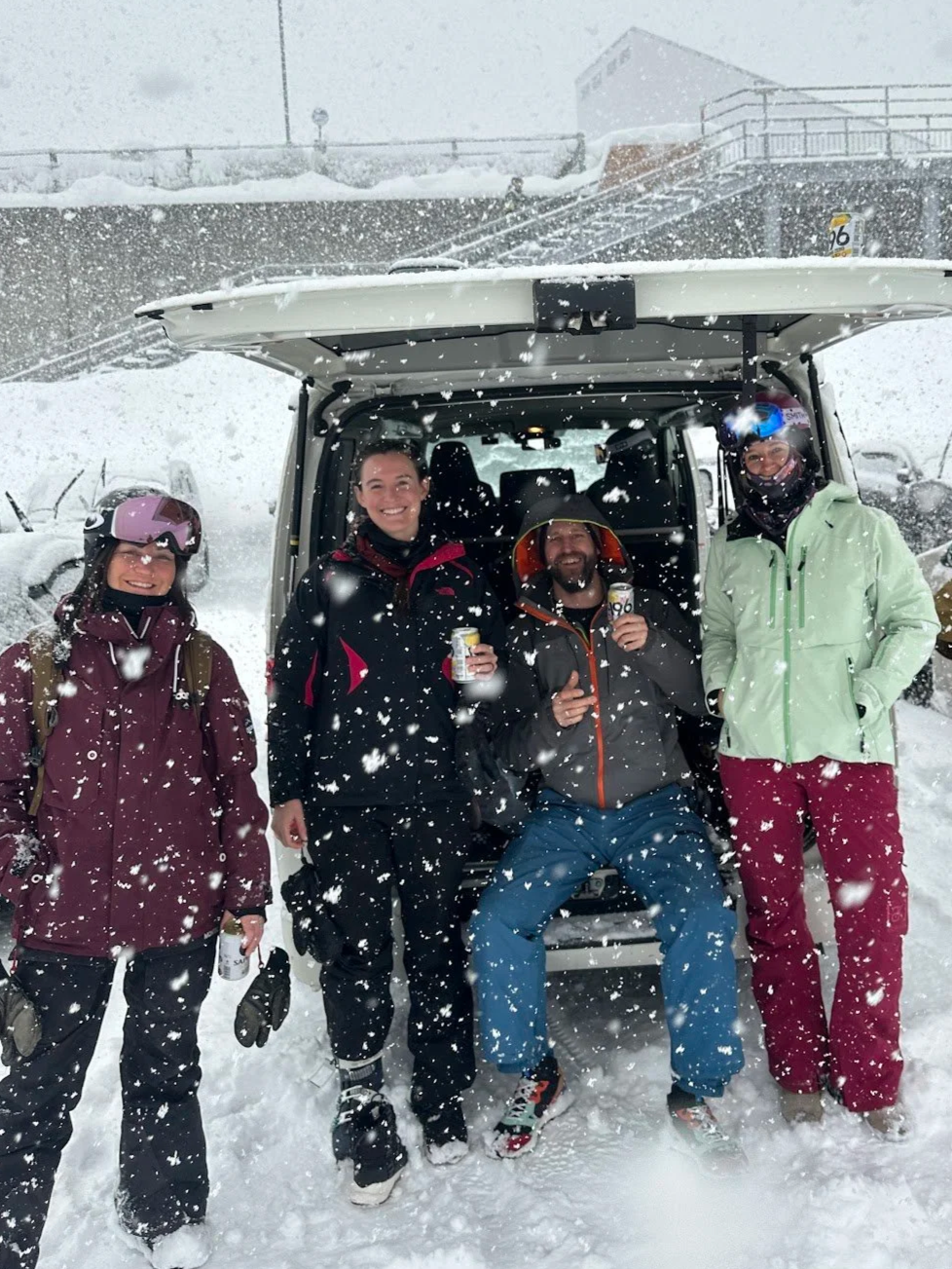
Snow falling at Niseko
Why Visit Niseko in Winter?
Niseko is famous for its frequent snowfall and light, dry powder. The resort area has a mix of groomed runs, tree skiing, terrain parks, night skiing, and access gates for experienced skiers and riders who want to explore beyond the resort boundary. The four Niseko United resorts sit on Mount Annupuri, with different base areas and terrain to explore.
There’s plenty to do off the mountain, too: warm up in an onsen, explore Hirafu’s restaurants and bars, or book a snowshoe or snowmobile tour. Niseko works well for a ski-focused trip, but it can also be a fun stop on a larger Japan itinerary.
Lift Ticket & Pass Details
Niseko United’s All Mountain Pass covers the four resorts: Annupuri, Niseko Village, Grand Hirafu, and Hanazono. For the upcoming 2026–27 season, the listed adult price for a one-day pass is ¥13,500 (about US$86) during peak season, ¥12,600 (about US$80) during regular season, and ¥8,800 (about US$56) in early or spring season. Five consecutive peak-season days are listed at ¥65,500 (about US$416). Children, teens, and seniors have separate rates. USD conversions are approximate, based on about ¥157.5 per US dollar on October 30, 2026; exchange rates fluctuate.
For 2026–27, the resorts are scheduled to open from November 28, 2026. Closing dates vary: Grand Hirafu and Annupuri list May 5, Niseko Village lists April 4, and Hanazono lists April 11. Night skiing is scheduled from December 12 through March 22. Dates and hours can change with conditions, so check the resort’s live status before your trip.
If you plan to ski several areas, compare the All Mountain Pass with single-resort tickets and any pass you already own. The current pass page lists prices in yen; convert them using the exchange rate at the time you book.
Niseko’s Resort & Base Areas
The four Niseko United areas share the mountain but have different base villages and personalities:
Niseko Tokyu Grand Hirafu is the largest of the four areas, with a wide range of terrain and the biggest concentration of hotels, condos, shops, restaurants, and nightlife.
Hanazono has beginner learning areas, tree runs, terrain parks, and a resort center. It also offers activities such as tubing, snow rafting, and snowshoeing.
Niseko Village has ski-in access to hotels and family-friendly activities, with a mix of groomed runs and tree terrain.
Annupuri is another major base area on the mountain, with its own lift network, lodging, and access to the broader Niseko United terrain.
A resort shuttle connects the four areas during winter. Check the current timetable and pass rules before relying on it, especially if you’re staying outside the main village or plan to ski late.
Shipping Your Skis/Snowboards to Hokkaido
Instead of hauling ski bags around Tokyo and onto our domestic flight, we arranged to send our gear from Narita to a receiving location in Kutchan, near Niseko. Our itinerary named Japan Ski Experience as the recipient and notes that we included our booking reference so the team could identify the bags.
This made the Tokyo-to-ski transition easier: we could explore Tokyo with smaller bags and collect our gear after reaching Hokkaido. For your own trip, confirm that the receiving business can accept and store your equipment, ask what details to put on the label, and leave a delivery buffer. Yamato’s Ski TA-Q-BIN guidance recommends sending equipment at least two days before use, or three days for some destinations; the exact cutoff depends on the route and service counter. Skis and snowboards need the required protective cover, and parcels over 30 kg aren’t accepted.
Keep a few days of clothes, toiletries, medication, and anything else you’ll need before the ski bags arrive in your carry-on. Airport-to-hotel same-day delivery is a separate Yamato service with limited routes, so confirm that the service you book covers your actual destination.
How to Get to Niseko
We used Tokyo as the first stop on our trip, with Shinjuku as our base for exploring the city. Our itinerary included a fish market, Kappabashi Street, Senso-ji, a day trip to Kawaguchiko for Mount Fuji views, and Shibuya Sky.
From Tokyo, we flew from Haneda to New Chitose Airport (CTS), picked up a rental van, and continued to Niseko. A domestic flight is usually the quickest option. If you’re arriving at Narita and departing for Hokkaido from Haneda, allow ample time to transfer between airports.
Other options:
Fly to New Chitose, then take a ski bus. Seasonal coaches run from the airport to Niseko and are convenient if you don’t want to drive. Advance reservations are generally required. Check the current timetable, resort stops, and luggage rules before booking. Niseko United access options
Take the train from New Chitose. A typical route goes from the airport to Otaru and then onward to Kutchan or Niseko. Train services are limited, so check connections carefully and arrange the final leg from the station to your accommodation. Train and bus options
Take the train from Tokyo. The Hokkaido Shinkansen runs from Tokyo to Shin-Hakodate-Hokuto. From there, you’ll need to continue by rail across Hokkaido and connect to local transport for Niseko. It can be a scenic alternative, but it takes more transfers and timetable planning than flying. Hokkaido’s official transport overview
Rent a car or book a private transfer. A car gave our group flexibility for reaching different ski areas and planning stops along the way. Winter driving in Hokkaido can be demanding; confirm that your rental is equipped for winter conditions and leave extra time for snow, reduced visibility, and road closures. If you’d rather not drive, a private transfer can take you from New Chitose directly to your lodging.
Getting Around Locally
The Niseko United shuttle connects the four resort areas in winter. Local buses, resort-specific shuttles, taxis, and private transfers are other options. Taxi availability can be tight at busy times, so reserve ahead when possible. Check the current route map and timetable for your stay; winter schedules, fares, and pass acceptance can change.
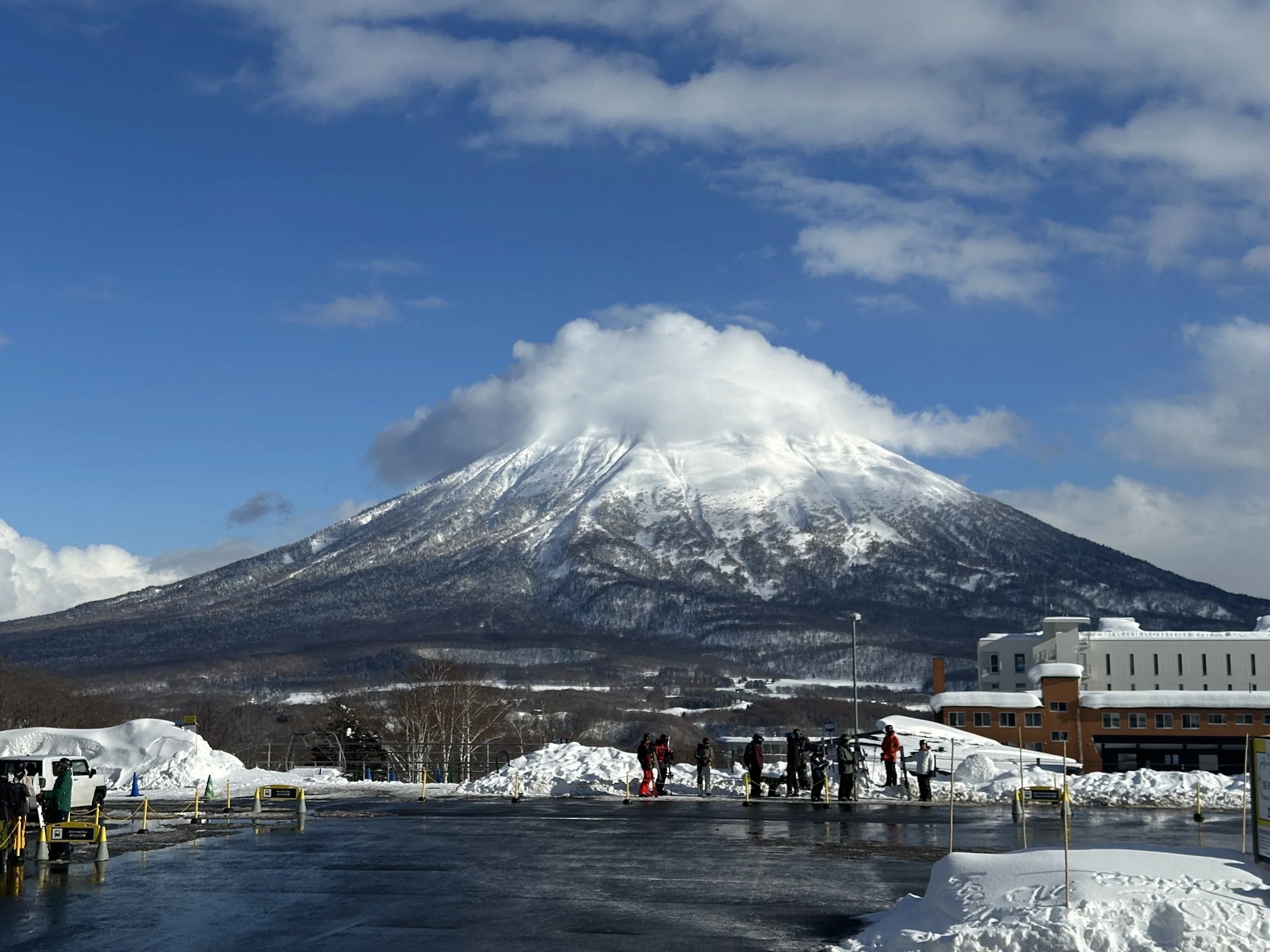
View of Mount Yōtei
Where We Stayed
We stayed in Yamada, in the broader Hirafu area, which made Grand Hirafu our natural base. Hirafu is the busiest hub for lifts, shops, restaurants, and après; Yamada has a more residential feel, with chalet and condo-style lodging around the resort village. When choosing a place, check the exact walk or shuttle ride to the resort base, since accommodation listed as “Hirafu” can be spread across the area.
Other Places to Stay
Niseko lodging ranges from slope-side hotels to compact rooms and apartments in nearby villages. Winter rates vary widely, so treat these as options to compare rather than fixed price categories.
Luxury
Park Hyatt Niseko Hanazono: A ski-in hotel in Hanazono with an indoor pool, spa, onsen, and several restaurants. A strong fit for travelers who want mountain access and full-service amenities.
The Vale Niseko: Apartment-style rooms a short walk from Grand Hirafu, with onsen, sauna, and restaurant amenities. Its central location suits guests who want to be close to the lifts and Hirafu village.
Mid-range
Chalet Ivy Hirafu: Near Grand Hirafu, with an onsen, breakfast, ski shuttle, and ski rental services. A comfortable option for couples or families who want hotel services without staying directly on the slopes.
Yumoto Niseko Prince Hotel Hirafutei: A slope-side hotel near Grand Hirafu with public hot springs, sauna, and an on-site restaurant. Look here for a more traditional Japanese hotel stay and easy access to skiing.
Budget-friendly
Mercure Niseko Resort: Formerly Midtown Niseko, this hotel is a short drive from Grand Hirafu and has a restaurant, laundry facilities, and a gym. It can be a useful value pick if you’re comfortable arranging transport to the lifts.
Torifito Hotel And Pod Niseko: A more compact stay in Kutchan, with pod-style rooms and bunk rooms, plus a restaurant, laundry facilities, and public bath. It’s away from the main ski base, so plan how you’ll get to the lifts.
Skiing and Terrain
We planned to start at Grand Hirafu and explore the four Niseko United areas around Mount Annupuri. Each has a different base area and a mix of groomed runs and powder terrain. The shared pass can make it possible to ski between areas when the connecting lifts and routes are open, though conditions and ability level matter.
Grand Hirafu: The largest and busiest base, with the broadest mix of groomed runs, tree zones, steeper powder pitches, and open upper-mountain terrain. Beginners can stick to the gentler family runs near the base; confident intermediates and advanced skiers have more challenging options higher up. Hirafu is also the main hub for lodging, restaurants, and après. Grand Hirafu trail map and resort overview
Hanazono: A good choice for beginners and intermediates looking for wide, relatively gentle groomers, with tree runs and powder stashes alongside them. It also has terrain parks, including features aimed at different ability levels. Some upper and ungroomed routes are more demanding, so check the trail map and conditions. Hanazono course guide
Niseko Village: A quieter-feeling base with beginner-friendly trails lower down, longer groomed descents, and steeper or ungroomed terrain higher on the mountain. It offers options for a range of abilities, but some upper-mountain routes are best suited to strong skiers and riders.
Annupuri: Known for its more relaxed base and broad, forgiving groomers, making it a comfortable area for beginners and cruising intermediates. It also has steeper intermediate and advanced courses for those looking for more challenge.
Our trip also included a day at Rusutsu Resort and Otaru Resort, which are separate from Niseko United and requires their own tickets and transportation.
Niseko’s backcountry gates are not casual run entrances. The resort rules require users to enter backcountry terrain through open gates, prohibit ducking ropes, and prohibit leaving through closed gates. The official guidance calls for a helmet and avalanche beacon and strongly recommends carrying a beacon, probe, and shovel. Check the daily avalanche information, closures, and patrol instructions. Consider a qualified guide if you don’t have the experience and equipment to travel safely outside the resort.
Other Must-Do Winter Activities
Niseko has plenty to do on a non-ski day or after the lifts close. Here are a few options to explore and link to tours or local providers:
Snowshoeing: Join a guided walk through the forest or snowy countryside. A guide can help with route choice and winter conditions.
Snow rafting: Ride an inflatable raft pulled by a snowmobile. Check age limits and whether the experience is suitable for your group.
Snowmobiling: Take a guided ride through designated snow trails. Tours often have age, license, and passenger requirements.
Snow tubing: Head to a groomed tubing area for a simple, family-friendly snow activity.
Night tubing and evening tours: Look for after-dark tubing or other guided evening experiences when available.
Snowcat skiing or first tracks: Some operators offer guided early-morning or snowcat access. Check experience requirements and what equipment is provided.
Onsen visits: Unwind in a hot spring after a day outdoors. Check whether your accommodation has an onsen or look for nearby day-use options; confirm access, hours, and bathing rules before visiting.
Activities, providers, schedules, and age requirements vary through the winter. Check current details and book directly with the operator.
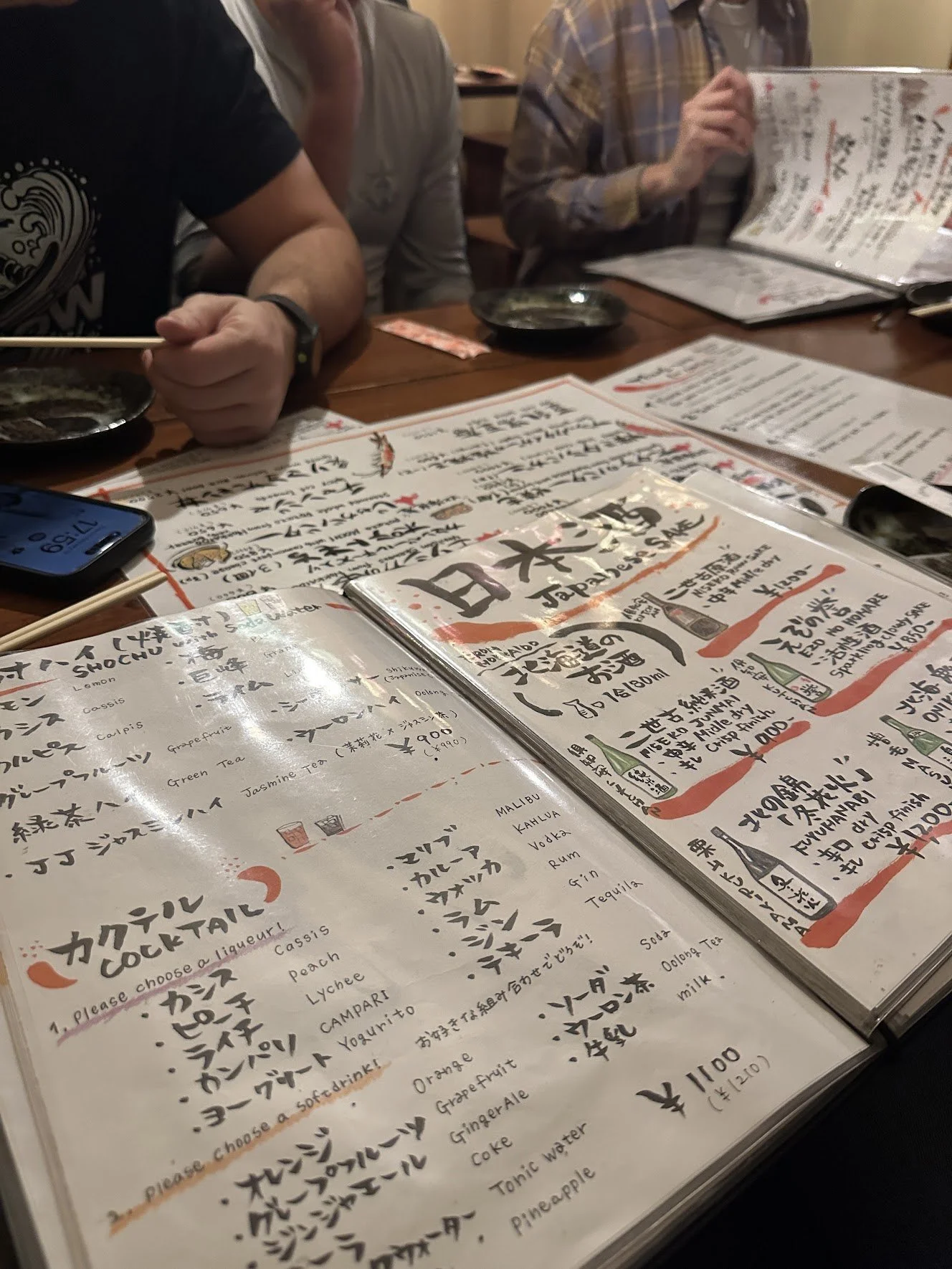
Restaurant menu in Hirafu
Where to Eat
Hokkaido is a great place to try seafood, ramen, local dairy, and warming Japanese comfort food. Niseko has a range of izakaya, sushi, pizza, and other restaurants. We ate at Koharuya, Crab Dining Kanon, and Pizzeria R.
Book restaurant reservations well in advance. During the winter season, it can be nearly impossible to find a table without one, especially for dinner or groups. Confirm opening days and reservation details directly with each restaurant.
Other things to try include sushi and sashimi, crab, ramen, jingisukan (grilled lamb), local sake, and Sapporo beer. The food in Japan is INSANE, so don’t skimp on eating everything in sight.
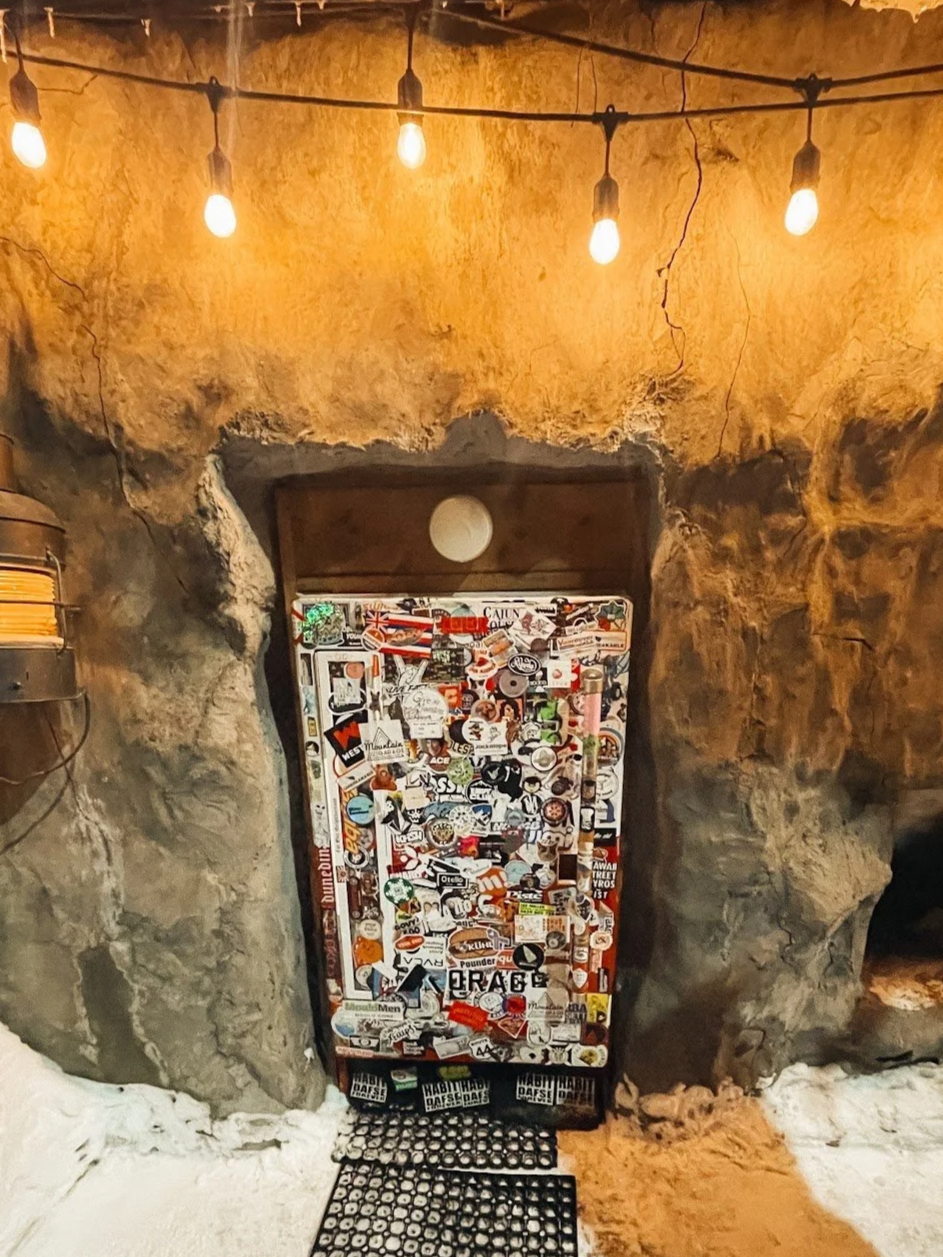
Bar Gyu+ in Hirafu
Where to Après
Grand Hirafu has the biggest concentration of bars and late-night options. We went to Bar Gyu+, the well-known cocktail bar with the distinctive fridge-door entrance, and waited outside for a while to get in. Go early if you can, especially on a busy night. The bar doesn’t take reservations, and its hours are seasonal, so check before visiting.
For other nightlife options, check Phoenix Niseko, which lists DJs, pool, darts, and other entertainment. Confirm current listings before heading out and also be VERY careful when walking around in winter, it’s an ice skating rink all over the streets. Bring YakTrax.
Budget Tips
Niseko can be an expensive winter trip, especially during busy periods. A few ways to plan your spending:
Compare the All Mountain Pass with single-area tickets and any pass you already own.
Check whether your travel dates fall in a higher-priced period before you commit to a ticket.
Book airport buses, accommodation, and popular dinners ahead of time.
Stay somewhere with a kitchen and shop for breakfast, snacks, and a few easy meals.
Compare the full cost of a rental car—including fuel, parking, and winter driving—with a booked bus or transfer.
Keep some yen on hand for small purchases and local services, and check which transport operators accept cards or contactless payment.
Resort food is actually inexpensive, but we also took pocket-sushi from 7-Eleven and other snacks in our packs during the day.
Packing List
Clothing
Gloves/mittens (waterproof for skiing + light gloves for walking around)
YakTrax (or something similar) for walking around town if it’s icy (YOU NEED THESE)
Comfortable clothes for working remotely
Pajamas/loungewear
Swimsuit (I always forget this and end up buying an expensive one there - don’t be me)
Gear
Backpack for the mountain (if you want to carry snacks for road-sodas)
Ikon Pass or your ski lift pass (purchase early for a discounted price and take it with you everywhere for free buses)
Toiletries
Moisturizer (cold/dry climate friendly)
Hairbrush + hair ties
Other Essentials
Passport
Train tickets or Swiss Travel Pass
Printed accommodation details
Laptop + chargers for remote work
AirTags or luggage tracking devices (especially if checking gear bags)
