
Patagonia R1 Review: My Favorite Mid Layer for Skiing, Camping, and Mountain Adventures
This post may contain affiliate links. As outdoor adventurers and frequent travelers, we only recommend products we personally use and trust. If you purchase through one of our links, we may earn a small commission at no additional cost to you.
Introduction
Some pieces of outdoor gear are purchased for one specific activity.
Others quietly become part of almost every adventure.
The Patagonia R1 has become the second kind of gear for me.
It is my absolute favorite mid layer for everything from camping and skiing to hiking, road trips, and everyday mountain missions. I have worn it in conditions ranging from minus 20 degrees to around 50 degrees Fahrenheit, and it continues to impress me with how well it balances warmth and breathability.
At minus 20 degrees, it is part of a complete winter layering system beneath additional insulation and a shell. Around 50 degrees, I can wear it by itself during lower intensity activities or open the quarter zip when I start getting warm.
Very few pieces of clothing can remain useful across such a wide range of conditions.
My favorite version is the hooded Patagonia R1 with a deep quarter zip. The hood provides an extra layer of warmth around my head and neck, while the zipper makes it incredibly easy to regulate my temperature as the weather or intensity changes.
It is not the thickest fleece I own.
It is not the warmest jacket I own.
It is simply the layer I use most often.
Why the Patagonia R1 Has Become My Favorite Mid Layer
The best mid layer is not necessarily the warmest one.
A great mid layer needs to keep you comfortable while you are moving, allow moisture and excess heat to escape, and fit easily beneath a shell or insulated jacket. That balance is where the Patagonia R1 really stands out.
Many traditional fleece jackets feel comfortable when you are standing still but become hot and sweaty as soon as you start climbing. The R1 manages active use much better.
It provides enough warmth to make a real difference without trapping so much heat that I immediately want to take it off.
That makes it especially useful for mountain adventures where conditions rarely remain consistent. A cold morning can turn into a sunny climb, followed by a windy ridge and another temperature drop after sunset.
Instead of constantly adding and removing layers, I can often leave the R1 on and make small adjustments with the zipper and hood.
That simplicity is one of the biggest reasons it comes with me so often.
Warmth Without Excessive Bulk
The Patagonia R1 provides light to moderate insulation.
It is warmer than most base layers but less insulating than a thick fleece or puffy jacket. That may not sound particularly exciting, but it places the R1 in a very useful part of a mountain layering system.
I can wear it comfortably beneath a ski shell without feeling bulky or restricted. It also layers well beneath a puffy jacket when temperatures become genuinely cold.
In conditions around 40 to 50 degrees, I may wear it as an outer layer during calm weather or moderate activity. Between roughly 25 and 40 degrees, it often works well over a base layer with a shell available for wind and precipitation.
Below that, it becomes one part of a broader cold weather system.
I have used mine in temperatures as low as minus 20 degrees, but that does not mean the R1 is a standalone jacket at that temperature. In severe cold, I combine it with a proper base layer, substantial insulation, and weather protection.
Its job is to create breathable warmth at the center of that system.
It does that exceptionally well.
The Quarter Zip Makes a Huge Difference
The deep quarter zip is one of my favorite features.
Mountain weather changes quickly, but body temperature can change even faster. A steep climb, sunny section of trail, or long boot pack can make a comfortable outfit feel far too warm within minutes.
Opening the front zipper releases heat quickly without requiring me to stop and remove the entire layer.
Once I reach an exposed ridge, start a ski descent, or stop moving, I can close it again and immediately regain warmth around my chest and neck.
A full zip fleece is easier to remove, but I appreciate the clean and simple feeling of the pullover. It creates less bulk beneath another jacket and gives me enough ventilation for most situations.
Why I Prefer the Hooded Patagonia R1
I strongly prefer the R1 with a hood.
A close fitting fleece hood provides a surprising amount of warmth without adding much weight or bulk. It helps protect the neck, ears, and back of the head, which are often the first places I begin to feel cold.
The hood works particularly well beneath a ski helmet or outer shell. It is also useful around camp when the temperature drops and I do not want to search through my gear for a hat.
One thing worth considering is the rest of your layering system.
If your base layer, fleece, insulated jacket, and shell all have hoods, the material can begin to feel crowded behind your neck. People who already own several hooded layers may prefer the cleaner design of a hoodless R1.
For me, the extra warmth and convenience are worth it.
Real World Performance While Skiing
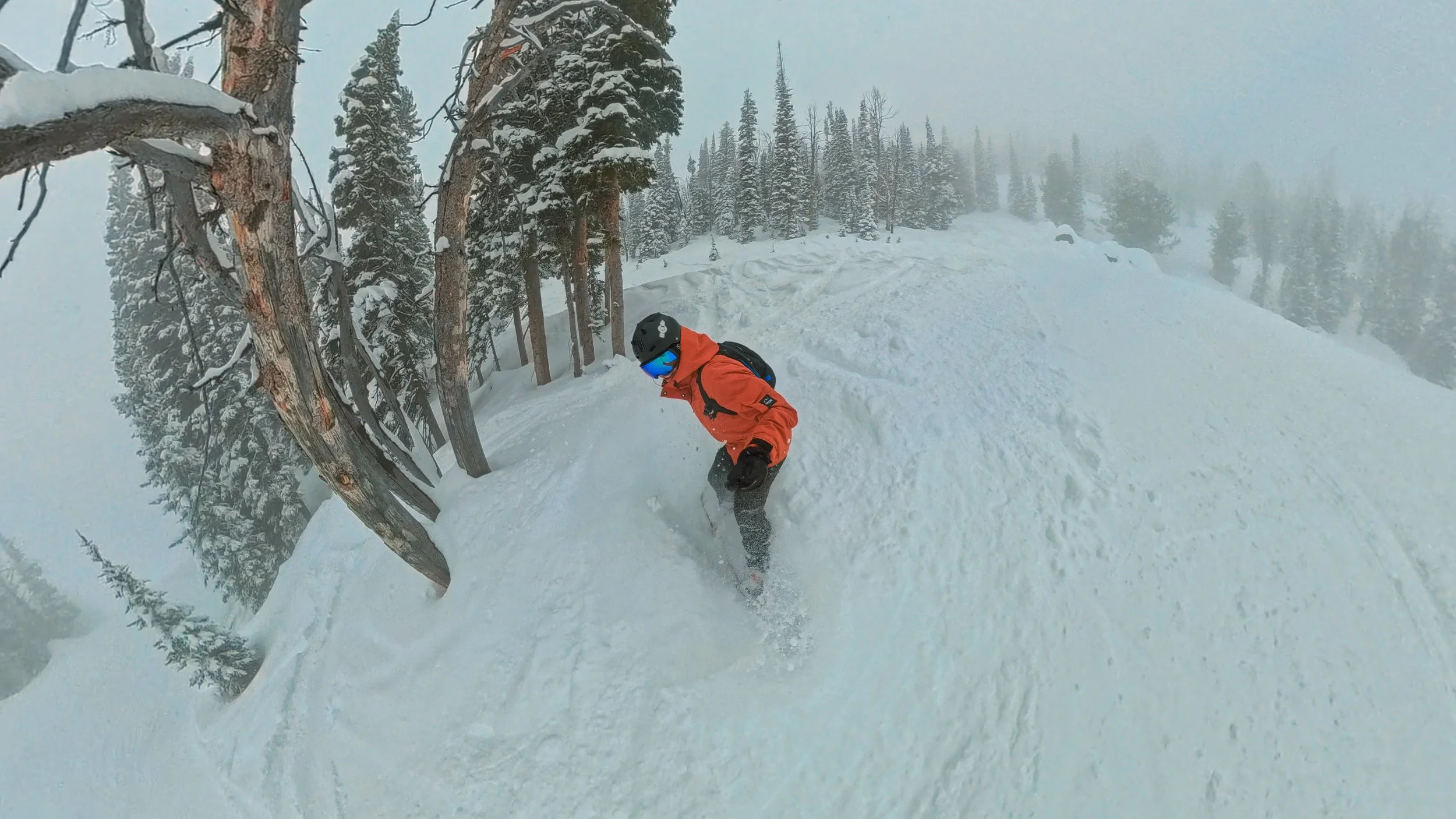
Skiing is one of the best uses for the Patagonia R1.
On very cold days in the Rockies and Mountain West, I wear it over a base layer and beneath additional insulation and a protective shell. It adds warmth without making my ski jacket feel overstuffed.
The breathability becomes even more valuable during active skiing, boot packing, or uphill travel.
It is easy to become sweaty during hard movement, even when the temperature is well below freezing. Once that moisture begins to cool, the same clothing that felt warm on the climb can feel brutally cold during a stop or descent.
The R1 helps manage those transitions better than many thicker fleece jackets I have tried.
I can open the zipper during hard movement, close it before the descent, and pull up the hood when the wind or temperature changes.
It is an incredibly simple system, but it works.
Camping Through Every Season
Camping often requires completely different clothing during different parts of the same day.
You may spend the afternoon hiking, gathering supplies, or setting up camp in the sun. A few hours later, you are sitting almost completely still while the temperature falls.
The R1 handles the active portion of the day especially well. It is comfortable during cool morning movement and can remain useful as the day begins to warm.
When I return to camp and stop moving, I usually add a puffy jacket or shell over it rather than replacing it.
In the Pacific Northwest, where moisture and unpredictable weather are frequent concerns, I appreciate having a fleece that breathes and dries more effectively than a cotton sweatshirt. It still requires a proper rain shell when precipitation arrives.
In the Desert Southwest, warm days can make a fleece feel unnecessary until the sun disappears behind the canyon walls. Once the temperature drops, the R1 quickly becomes one of the most useful pieces in camp.
Throughout the Rockies and Mountain West, it works beautifully for cold mornings, high elevation campsites, shoulder season road trips, and changing alpine weather.
Hiking and High Output Mountain Adventures
The Patagonia R1 is at its best during adventures that involve constant transitions.
Imagine starting before sunrise in cold air, climbing into direct sunlight, crossing a windy ridge, and then stopping on an exposed summit.
A heavy fleece may become uncomfortable during the climb. A thin base layer may not provide enough warmth when movement stops.
The R1 occupies the useful space between those extremes.
It does not replace a wind shell, rain jacket, or puffy. I still carry the protection required for the conditions.
What the R1 does is allow me to stay comfortable through more of the day without constantly stopping to reorganize my clothing.
That helps maintain momentum and makes the entire adventure feel simpler.
A Great Layer for Road Trips and Vanlife
Technical performance is only part of the reason I use the R1 so often.
It is also incredibly convenient.
During road trips, it can function as a driving layer, hiking fleece, camp layer, and additional insulation inside a sleeping setup. That type of versatility matters when storage space is limited.
For vanlife, it is especially useful during cold mornings, shoulder season travel, and high elevation nights. It dries more quickly than a cotton sweatshirt and takes up less room than a thick casual fleece.
It also transitions easily into everyday settings. It still looks like outdoor clothing, but it does not feel so specialized that I hesitate to wear it into a cafe, brewery, or grocery store.
If I were packing for a trip that included cities, trails, campgrounds, and unpredictable mountain weather, the R1 would be an easy choice.
The Biggest Limitation Is Wind
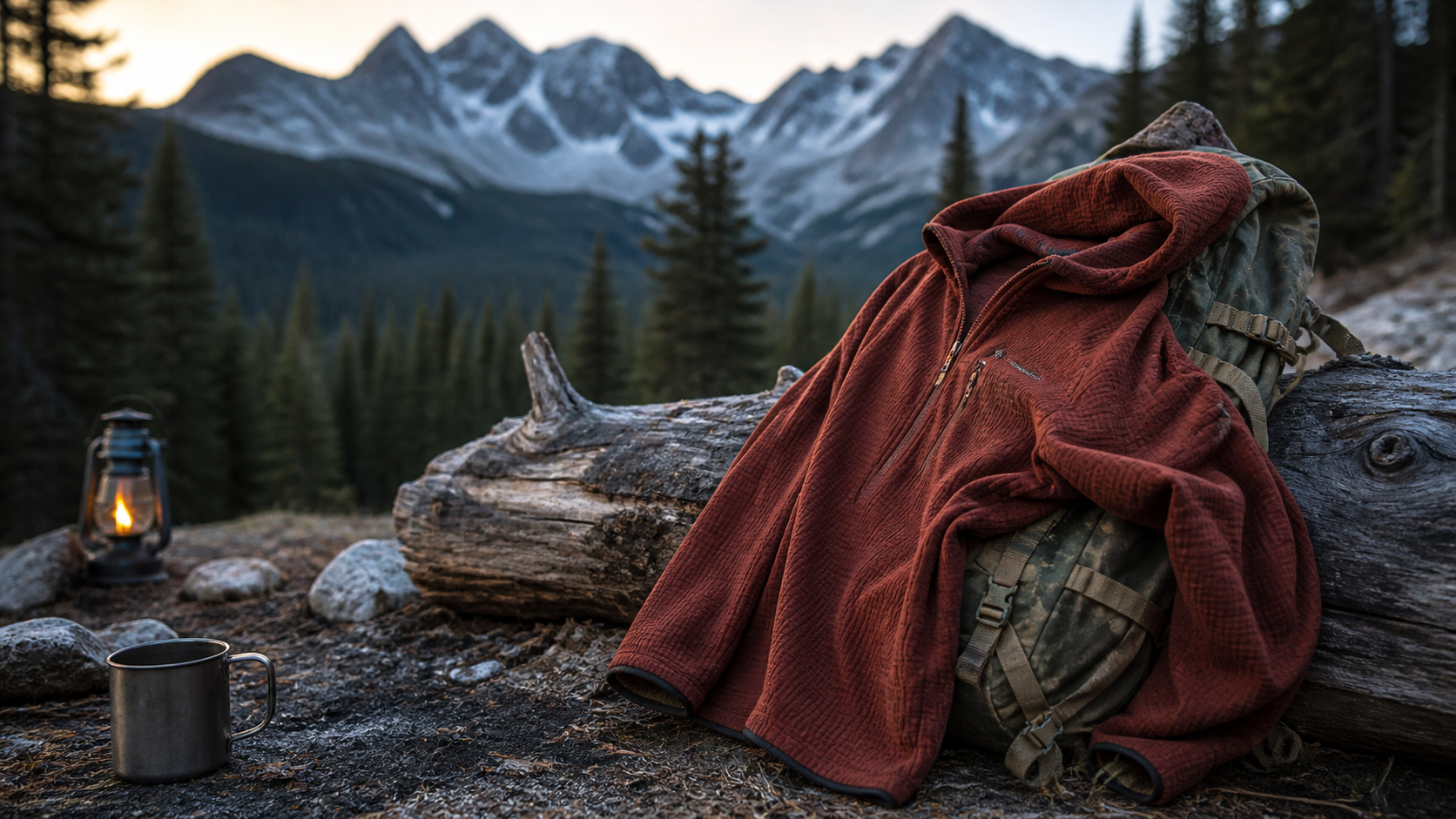
The same breathability that makes the Patagonia R1 so comfortable during active use creates one of its biggest weaknesses.
Wind can move through it fairly easily.
That airflow feels great during a difficult climb. It feels much less enjoyable while standing on an exposed ridge or sitting on a ski lift.
A lightweight wind shell can make the R1 feel significantly warmer. In many situations, I prefer that combination to one heavy fleece because it gives me more control.
I can wear the R1 by itself during active movement, add the shell when the wind increases, or combine both pieces when the temperature drops.
The R1 is not designed to be a complete weather barrier.
Understanding that limitation is essential to using it properly.
It Is Better for Moving Than Standing Still
The Patagonia R1 is primarily an active insulation layer.
It is at its best when you are generating body heat through hiking, skiing, climbing, camp chores, or other movement.
When I stop for a long break, sit around camp, or remain outside in cold weather without moving, the R1 may not provide enough warmth by itself. That is when I add a puffy jacket or another insulating layer.
This does not make the R1 a poor fleece.
It means the fleece has been designed to balance warmth with moisture management instead of maximizing insulation while stationary.
For active outdoor adventures, that balance is usually more valuable.
Fit and Layering
Most Patagonia R1 models use a trim or slim fit.
That fit helps the fleece manage moisture, reduces unnecessary bulk, and allows it to sit comfortably beneath an outer jacket. It also gives the R1 a more technical feeling than a relaxed casual fleece.
People with broad shoulders, larger arms, or a preference for loose clothing may want to compare more than one size.
Think about what you plan to wear underneath it. A size that feels perfect over a thin base layer may feel restrictive over a thicker shirt.
The ideal fit should sit relatively close to the body without limiting movement. You should be able to reach overhead, move your arms freely, and wear a shell over it without creating uncomfortable pressure.
Long Term Durability and Reliability
The best compliment I can give the Patagonia R1 is that it continues to get selected.
It does not sit in my closet waiting for one particular activity. It gets packed for ski days, camping trips, mountain hikes, road trips, and ordinary travel.
Repeated use is one of the most revealing durability tests.
Technical fleece can eventually develop pilling, collect lint, or show cosmetic wear in areas exposed to pack straps and repeated friction. That does not necessarily mean the layer is failing.
I care more about whether the fabric continues to insulate, the zipper operates smoothly, the seams remain secure, and the garment holds its shape.
Outdoor gear is allowed to look used.
Following the care instructions, closing the zipper before washing, and avoiding unnecessary high heat can help preserve the fabric. It is also worth investigating Patagonia’s repair options before replacing a damaged piece.
A reliable mid layer with a small repair is often more valuable than a brand new layer you have not tested.
What Most Patagonia R1 Reviews Miss
Most Patagonia R1 reviews focus on fabric, weight, fit, and technical specifications.
Those details matter, but they do not fully explain why the R1 has developed such a loyal following.
The real advantage is how rarely you need to think about it.
It works beneath a shell.
It works around camp.
It works on the trail.
It works during ski days, road trips, and travel.
You may own another fleece that is warmer. You may own a lighter base layer or a more protective jacket. The R1 continues to earn its place because it connects all of those pieces into a practical layering system.
The best outdoor gear often disappears into the background.
It simply does its job while you focus on the adventure.
Patagonia R1 Versus R1 Air
The Patagonia R1 Air places an even greater emphasis on airflow and quick drying performance. Its distinctive fleece structure is designed to release heat and reduce bulk during high output activity.
It is an excellent option for hiking, ski touring, trail running, and other activities where overheating is a frequent concern.
The classic R1 generally has a smoother feel and remains an excellent all purpose mid layer. The R1 Air may feel more breathable when air moves through its open fabric structure.
I would choose the R1 Air for maximum breathability during sustained activity.
I would choose the classic R1 for a proven and versatile fleece that can move easily between different outdoor activities.
Patagonia R1 Versus R1 TechFace
The Patagonia R1 TechFace adds weather and abrasion resistance.
It is a better choice when you expect to wear the fleece as an outer layer around rock, branches, wind, and light moisture. Its smoother exterior also handles rough surfaces better than traditional fleece.
The classic R1 is generally the better pure mid layer. It feels comfortable beneath a shell and prioritizes breathability over exterior protection.
I would choose the TechFace for frequent outer layer use.
I would choose the traditional R1 when breathability and easy layering are the main priorities.
Patagonia R1 Versus a Puffy Jacket
A puffy jacket provides more warmth while you are standing still and usually blocks wind more effectively.
The Patagonia R1 performs better during active movement.
Hiking uphill in a puffy can become uncomfortable very quickly. The R1 allows more heat and moisture to escape, making it useful across a wider range of activity levels.
For genuinely cold mountain trips, I usually want both.
The R1 manages temperature while I move. The puffy provides additional warmth when I stop.
They are complementary layers rather than direct replacements for one another.
Patagonia R1 Versus a Basic Fleece
A basic fleece can be much less expensive and may feel warmer during casual use.
For relaxed evenings, short walks, and occasional camping trips, that may be all you need.
The Patagonia R1 earns its higher price through moisture management, low bulk, fit, ventilation, and integration with other technical layers. Those benefits become most noticeable during demanding activity and rapidly changing weather.
If your outdoor adventures mainly involve casual use near the vehicle, an inexpensive fleece may offer better value.
If you ski, hike, climb, camp frequently, or travel through unpredictable mountain conditions, the R1 becomes easier to justify.
Pros and Cons
Pros
Excellent balance of warmth and breathability
Comfortable during active outdoor use
Deep quarter zip releases heat quickly
Hood adds efficient warmth around the head and neck
Low bulk fits comfortably beneath a shell
Useful for skiing, hiking, camping, travel, and vanlife
Performs across all four seasons
Dries more quickly than a cotton sweatshirt
Reliable during repeated mountain use
Versatile enough to justify frequent packing
Cons
More expensive than a basic fleece
Traditional R1 fabric provides limited wind resistance
Not a replacement for a rain shell or insulated jacket
Trim fit may not work for every body type
Textured fleece can collect lint or show cosmetic wear
A pullover is less convenient to remove than a full zip jacket
The growing number of R1 versions can make choosing one confusing
Not warm enough by itself for extended stops in severe cold
Who the Patagonia R1 Is Best For
The Patagonia R1 is a great choice for:
Skiers who need breathable warmth beneath a shell
Hikers traveling through changing temperatures and elevations
Campers who want one layer for active mornings and cold evenings
Climbers who value mobility and low bulk
Road trip travelers who need versatile clothing
Vanlife travelers working with limited storage
Outdoor beginners building a dependable layering system
People who become too warm in traditional fleece jackets
Anyone who prefers one frequently used layer over several specialized pieces
The R1 may not be the best choice for people who primarily need warmth while standing still, want a waterproof outer layer, prefer a loose casual fit, or only need a fleece for occasional everyday use.
Is the Patagonia R1 Good for Beginners?
The Patagonia R1 is an excellent mid layer for beginners because it is versatile and easy to combine with other outdoor clothing.
A simple layering system could include:
A moisture managing base layer
The Patagonia R1 for breathable insulation
A rain shell or ski shell for wind and precipitation
A puffy jacket for extended stops and colder conditions
This basic system can be adapted for skiing, hiking, camping, and general mountain travel.
Beginners should remember that no fleece creates a complete cold weather system by itself. Always consider precipitation, wind, elevation, activity level, and the possibility of an unexpected stop.
Is the Patagonia R1 Worth It?
The Patagonia R1 is worth it for people who spend significant time outdoors and want one mid layer that can cover several activities.
It is harder to justify if you only need a warm sweatshirt for occasional casual use. Less expensive fleece jackets can handle that job.
The value of the R1 comes from frequency.
I use mine for camping, skiing, hiking, mountain missions, road trips, and travel. Because it performs well throughout the year, it rarely spends much time forgotten in a closet.
That matters more to me than owning a collection of highly specialized layers that each leave home only a few times per year.
The R1 is not inexpensive, but the cost per use becomes reasonable when one piece works for this many adventures.
Final Verdict
The Patagonia R1 is my absolute favorite mid layer because it works in the conditions I actually encounter.
It is warm but breathable.
It layers comfortably beneath a shell.
The hood provides an immediate boost of warmth, and the deep quarter zip lets me release heat without stopping to remove the entire layer.
I have used it during extremely cold winter conditions, mild shoulder season days, camping trips, ski days, road trips, and all kinds of mountain missions.
Its greatest strength is not extreme performance in one narrow category.
It is adaptability.
The R1 cannot replace a rain shell, wind layer, or insulated winter jacket. It can, however, make all of those pieces work better by managing warmth and moisture between your base layer and outer protection.
If you only need a casual fleece for occasional use, you have plenty of less expensive options.
If you want a technical mid layer that can move from the Rockies to the Pacific Northwest, from a ski day to a road trip, and from a cold campsite to a high elevation trail, the Patagonia R1 is incredibly easy to recommend.
For me, it is absolutely worth it.
Frequently Asked Questions
Is the Patagonia R1 warm enough for winter?
The Patagonia R1 is an excellent winter mid layer, but it is not usually warm enough to serve as a standalone winter jacket. Pair it with a base layer, protective shell, and additional insulation when conditions require them.
What temperature is the Patagonia R1 good for?
The R1 can work across a wide range of temperatures depending on activity, wind, sunlight, and surrounding layers. It may function as an outer layer around 40 to 50 degrees during active use and as part of a complete layering system in temperatures below zero.
Is the Patagonia R1 worth the money?
It is worth the money for frequent hikers, skiers, campers, climbers, and travelers who will benefit from its breathability, low bulk, and versatility. Occasional users may be satisfied with a less expensive fleece.
Is the Patagonia R1 good for skiing?
Yes. The R1 is one of the best mid layers for skiing because it provides warmth beneath a shell without excessive bulk. Its breathability is particularly valuable during active skiing and uphill travel.
Is the Patagonia R1 good for hiking?
Yes. It works especially well for cool weather hiking, alpine starts, windy ridges, and routes with significant elevation changes. Carry a wind or rain shell when exposed weather is possible.
Can you wear the Patagonia R1 as an outer layer?
You can wear it as an outer layer in dry and calm conditions. Traditional R1 fleece does not provide strong wind or rain protection. The R1 TechFace is a better choice if you frequently need an outer layer.
Is the Patagonia R1 good for travel and road trips?
Yes. It can serve as a hiking layer, camp fleece, driving layer, and casual travel piece. That versatility makes it particularly useful for road trips and vanlife.
Does the Patagonia R1 run small?
Many R1 models use a trim or slim fit intended for technical layering. People with broader shoulders or those who prefer a relaxed fit may want to compare sizes before buying.
Should I buy the Patagonia R1 with a hood?
Choose the hooded version if you want additional warmth, use helmets, or spend significant time in cold mountain conditions. Choose the hoodless version if you already have several hooded layers or prefer less material around your neck.
What should I wear under a Patagonia R1?
A lightweight moisture managing base layer is the most versatile choice. In milder weather, the R1 can also be worn over a thin shirt.
What is the difference between the R1 and R1 Air?
The R1 Air emphasizes airflow and quick drying performance, making it particularly effective during high output activity. The classic R1 has a smoother feel and remains a versatile choice for general outdoor layering.
Is the Patagonia R1 waterproof?
No. The traditional Patagonia R1 is not waterproof. Wear a rain shell over it during sustained rain, wet snow, or exposed mountain weather.
Is the Patagonia R1 good for vanlife?
Yes. It is useful for vanlife because one layer can cover cold mornings, hikes, camp chores, travel days, and high elevation evenings without occupying as much storage space as a heavy fleece.
How should the Patagonia R1 fit?
It should sit relatively close to your body without restricting movement. There should be enough room for a base layer beneath it and enough space inside your outer jacket to avoid uncomfortable compression.
Is the Patagonia R1 the best outdoor fleece?
It is one of the best technical fleece options for people who prioritize breathability, layering efficiency, and versatility. People seeking maximum warmth while stationary or stronger wind resistance may prefer a heavier fleece, insulated jacket, or R1 TechFace.
